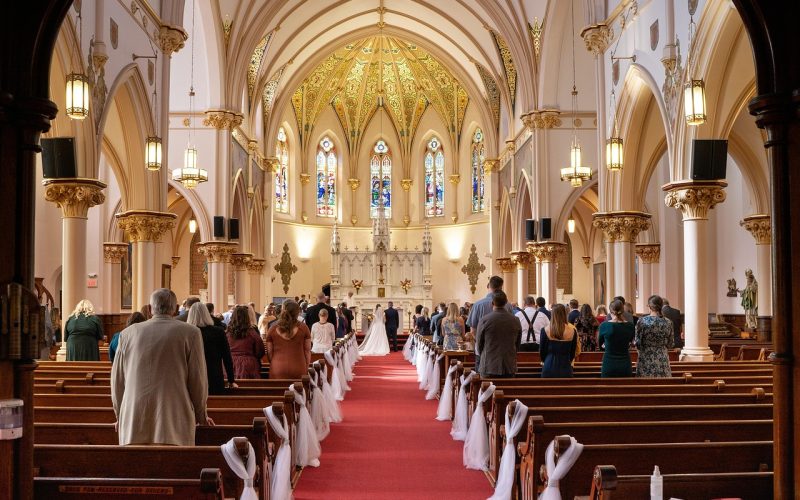
The wedding ceremony is the beating heart of your wedding day, the pivotal moment where two lives are formally and spiritually joined as one. While the reception is a celebration, the ceremony is the main event—the solemn, joyful, and transformative act of commitment that gives the day its purpose.
It is a profound ritual that has existed in various forms across cultures for thousands of years, serving as a public declaration of love and intent. Whether it takes place in a grand cathedral, a sun-dappled garden, or a quiet registry office, the ceremony is the space where promises are made and futures are sealed. It is a time suspended in reality, charged with emotion and significance, where every word spoken and every gesture made carries a weight that will resonate for a lifetime.
For the couple, it is often a blur of nerves and adrenaline, which is why understanding its components and ensuring it is captured perfectly is so vital.
The exchange of vows and rings
At its core, the wedding ceremony is a series of symbolic acts woven together to tell a story of union. Most ceremonies follow a traditional structure that includes the processional, the welcome, readings, the exchange of vows and rings, and the pronouncement of marriage.
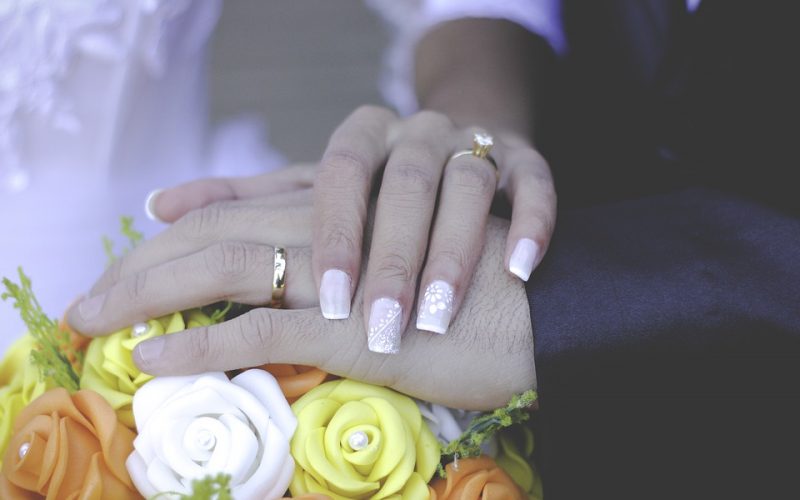
Each of these elements holds deep historical and personal significance. The processional, often the first time guests see the couple, symbolises the transition from individual lives to a shared path. Readings, whether religious texts, poetry, or excerpts from literature, offer a chance to voice the values and hopes that underpin the relationship. The exchange of rings is perhaps the most universally recognised symbol, a tangible circle of precious metal representing eternity and unbroken faith.
Even the signing of the register, a legal necessity in many jurisdictions, is a moment of quiet confirmation. Understanding these traditions allows couples to engage with them meaningfully, rather than just going through the motions, transforming the ceremony from a procedure into a deeply personal narrative.
The bond between two people
Emotionally, the wedding ceremony is the undisputed crescendo of the entire celebration. It is a raw and vulnerable experience, stripping away the party atmosphere to focus purely on the bond between two people. The sheer weight of standing before your closest friends and family to pledge your life to another is incredibly powerful.
Tears are common, not just from the couple but from parents witnessing their children grow up and friends seeing their companions find happiness. There is a palpable energy in the room—a collective holding of breath as the vows are spoken. This emotional intensity is what makes the ceremony so unforgettable. It captures the nervous excitement of the groom waiting at the altar, the overwhelming joy of the bride walking down the aisle, and the relief and elation of the first kiss. These are fleeting, unscripted moments of pure human connection that define the spirit of the day.
A soundtrack to your relationship
While tradition provides the framework, modern ceremonies are increasingly defined by personalisation. Couples are stepping away from rigid templates to create services that truly reflect who they are.
This might mean writing your own vows to speak directly from the heart, involving children or pets in the procession, or choosing music that has played a soundtrack to your relationship. A personalised ceremony feels intimate and authentic; it invites guests into your world rather than keeping them as passive observers.
Celebrants and officiants play a crucial role here, working with couples to craft scripts that balance humour with gravity, sharing anecdotes of how the couple met or their hopes for the future. This shift towards bespoke ceremonies ensures that the promises made are not just recited words, but deeply felt commitments that resonate with the specific character and journey of the relationship.
The visual legacy of the marriage
Because the ceremony passes in a blur of heightened emotion, beautiful wedding photography is essential for preserving the memory of these sacred moments. The ceremony presents a unique challenge and opportunity for photographers.
Unlike the controlled environment of a portrait session, the ceremony is live, unrepeatable, and often moves quickly. A skilled photographer must be a silent observer, anticipating moments before they happen without disrupting the solemnity of the event. They need to capture the grand, wide shots of the venue that set the scene, as well as the intimate, close-up details—the trembling hands exchanging rings, the tear rolling down a cheek, the shared glance of secret understanding.
These images become the visual legacy of the marriage, allowing the couple to revisit the feelings of that moment decades later. Investing in high-quality photography ensures that the visual narrative of the ceremony is told with artistry and sensitivity.
Perfect for framing on a mantelpiece
When selecting a professional to document your ceremony, understanding their style is key. A traditional wedding photographer brings a classic, structured approach to the day. Their focus is on creating timeless, perfectly composed images that stand the test of time.
During the ceremony, a traditional photographer will ensure that all the key moments are captured with clarity and precision. They will likely have a shot list that covers the entrance, the vows, the ring exchange, the kiss, and the signing of the register. They often position themselves to get the clearest, most unobstructed views, prioritising the formal documentation of the event.
This style is ideal for couples who value elegance and want a definitive, comprehensive record of the proceedings. The resulting images are often polished and stately, perfect for framing on a mantelpiece or inclusion in a formal leather-bound album, serving as a respectful testament to the gravity of the occasion.
Convey the mood of the ceremony
Conversely, a lifestyle wedding photographer adopts a more fluid, documentary-style approach. Their goal is to capture the ceremony as a narrative, focusing on the atmosphere and the authentic, unposed reactions of the people involved.
While they will certainly capture the main events, their lens is often drawn to the in-between moments—the flower girl yawning, the proud squeeze of a parent's hand, or the spontaneous laughter when a ring gets stuck. A lifestyle photographer moves discreetly, often using natural light to create evocative, atmospheric images that convey the mood of the ceremony.
They are less concerned with perfect symmetry and more interested in emotional truth. For couples who view their wedding as a story unfolding, this style offers a rich, candid perspective. The resulting collection of photos feels alive and dynamic, offering a "fly-on-the-wall" view that brings the viewer right back into the feeling of the moment.
Humanist celebration of love
Ultimately, the wedding ceremony is the gateway to married life. It is the moment the "I" becomes "We." While the party that follows is a celebration of this union, the ceremony is the act of creation itself. It is a public declaration of intent that binds two histories together to form a new future.
Whether you opt for a religious service steeped in ancient ritual or a modern, humanist celebration of love, the core purpose remains unchanged. By carefully planning the details, embracing the emotions, and choosing the right photographer—whether a traditional wedding photographer or a lifestyle wedding photographer—to capture it, you ensure that this pivotal hour is honoured as it deserves. It is a profound, joyous, and transformative experience, the memory of which will serve as a touchstone for your relationship in all the years to come.